test
| Factor affecting T2 | Impact and why it matters | WithIn your control? |
|---|---|---|
| Diet quality (free sugars, refined carbs, ultra-processed foods) | Frequent glucose spikes ↑ insulin demand → worsens insulin resistance and liver fat over time | ✅ Yes |
| Physical activity & muscle use | Active muscle burns glucose and improves insulin sensitivity; inactivity does the opposite | ✅ Yes |
| Sleep (duration & quality) | Short/poor sleep raises cortisol and appetite, making the body more insulin-resistant | ✅ Yes |
| Stress load (chronic stress) | Chronic stress hormones reduce insulin sensitivity; tends to drive comfort-eating | ✅ Yes |
| Alcohol (amount & frequency) | Burden on the liver, worsens triglycerides & liver fat; sugary drinks add glucose spikes | ✅ Yes |
| Body fat distribution (especially waist/visceral fat) | Visceral & liver fat drive insulin resistance; small, steady loss at the waist helps a lot | ✅ Yes |
| Family history / genetics (e.g., parent with Type 2) | Raises baseline risk (e.g., beta-cell function, fat storage pattern), so lifestyle “levers” matter even more | ❌ No |
| Ethnic background | Some groups (e.g., South Asian, African-Caribbean) have higher risk at lower BMI—earlier screening is wise | ❌ No |
| Medical conditions & medications (e.g., steroids, some antipsychotics; PCOS, sleep apnoea) | Can increase insulin resistance or appetite; work with your clinician on risk-mitigation strategies | ❌ No |
| Early-life factors (birthweight, early growth) | Programs later metabolism; you can still offset risk with activity, diet quality & sleep | ❌ No |
| My own example: Family history + poor diet + no exercise | Mix of things under my direct control and genetics that i cannot change. Genetics set a higher baseline, but improving diet quality, daily movement, sleep and stress can significantly reduce insulin resistance and risk—despite family history. | ✅ ❌ Mixed |
What are Co-Morbidities?
Below is a list of the main conditions or co-morbidities that are driven by long-standing insulin resistance. Chronic inflammation and broader metabolic dysfunction begins to develop years before Type 2 diabetes is diagnosed. IT ALL ... Read Full Article
Dr Knows Best
Why aren’t effective lifestyle strategies
routinely ‘prescribed ‘to manage Type 2 diabetes?

There are simple lifestyle-based approaches that will improve and even ... Read Full Article
Academic References
Research how diet and intermittent
fasting are key tools in the management of diabetes

Structured lifestyle programs will consistently outperform medication in terms of prevention, disease reduction and Type 2 Diabetes remission ... Read Full Article
Change Process

From Diagnosis to Direction: A Change Management Process for Type 2 Diabetes
A Type 2 diagnosis can feel final — but it’s not. What it really represents is a point somewhere ... Read Full Article


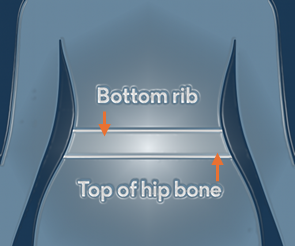
 Use a flexible tape measure (Doh!)
 Feel for your bottom rib with your fingers
 Feel for the top of your hip bone