Below is a list of the main conditions or co-morbidities that are driven by long-standing insulin resistance. Chronic inflammation and broader metabolic dysfunction begins to develop years before Type 2 diabetes is diagnosed. IT ALL STARTS AND ENDS WITH INSULIN RESISTANCE!Learn more……
There are simple lifestyle-based approaches that will improve and even remit Type 2 diabetes: Intermittent fasting, minimal processed food and light exercise leading to weight loss all play a part in that – so what is the answer, why not ‘prescribe’ it? What follows are own opinions (based on research natch!) are in the slider below. Let me know what you think in the comments section…
NHS lagging behind the research
Worryingly, it’s seems that healthcare guidelines used by the NHS and other health institutions often lag behind (nutritional) science somewhere between 10–20 years, so it’s the health system and medical guidelines that are out of date and need changing to match the latest research
0y +
10 yrs or more to set new
guidelines
0y +
A further 5 yrs or more to train
NHS Staff
0y +
This means 15+ yrs to update treatment pathways. Disaster!
#1: The NHS Guidelines Lag Behind The Latest Research
NHS training follows old guidelines
#2 : Outdated Training? Just Following NHS Guidelines...
Historically, clinicians receive very little nutrition, lifestyle, or weight-management training in medical/nursing school
This may be changing slowly but speaking generally, critical lifestyle aspects that improve health are lagging behind the research by many years due to the need to update treatment and training guidelines
Patient Behavioural change leading to remission-focused lifestyle programs are almost always absent from the curriculum in any meaningful way
Focus on T2 management not remission
#3: Clinical Guidelines Are Historically Focused On Type 2 Management Not Remission
Until recently (c2017), remission of T2D was considered rare or even impossible.
Remission as a goal is still only slowly entering mainstream guidelines
Outdated Practices
Because guidelines shape practice, many clinicians are simply following what they were taught.
Treating Causes Not Symptoms
Current treatments focus on managing symptoms not targeting the root causes
Fixing The Root Causes
Intermittent fasting, minimal processed food, light exercise leading to weight loss all play a part in resolving root causes
Inadequate guidelines prevent progress
'Patient Safety' means 'Follow the guidelines'
#4: Patient 'Safety' means 'Follow the Guidelines'
There are genuine concerns..
Concerns? For sure, yes but IF is an option for up to 0% of Type 2 patients
Intermittent Fasting (IF) can cause hypoglycaemia (low blood sugar) in some people that are medicated and taking:
💉insulin
💊sulfonylureas (e.g. gliclazide) or
🧂certain other drug combinations (may not be diabetes related drugs)
it’s estimated that for approx. 5-10% of people that are on glucose-lowering medication, recommending fasting without intensive monitoring can be dangerous and continuous monitoring is highly recommended. So very possible then!
Clinicians are restricted in what they can recommend but also .....
Time is money and both are in short supply..
In the modern age, appointment times are very limited and budgets are under severe pressure. This means the very things that can lead to remission are overlooked. Typically, medical staff simply don’t have time or resources (including the money!) to manage T2 through to remission, even if guidelines allowed them to do so
Clinicians often avoid suggesting something that requires:
🩺 medication de-prescribing (training)
💰 continuous glucose monitoring (cost)
👀 time consuming supervision (time/cost)
Lack of Time = negative outcomes
#5: Time constraints do not provide positive outcomes
Diagnosis takes time...
...but time is in short supply
⏱️ Most GP appointments are 7–10 minutes long making meaningful dietary counselling almost impossible
🙃 People won’t stick to fasting
🙃 People won’t give up processed foods
🙃 People prefer medications to making major changes
As a result, clinicians may default to what they expect the patient to follow but research shows this assumption isn’t always true — many people will follow structured lifestyle programs when properly supported
Clinicians do not want to “promise too much" but this conservative approach may be to the detriment of the patient who can follow this path - if not into remission but certainly to improve type 2 prognosis
Fear of “blaming the patient”
Not all patients respond the same
Although fasting and real-food diets help many people, remission likelihood varies by:
🌦️ duration of diabetes | 🌦️ comorbidities
🌦️ weight | 🌦️ visceral fat
🌦️ pancreatic beta-cell reserve | 🌦️medications
Some clinicians avoid strong lifestyle messaging because they don’t want patients to feel:
😌 upset
😌 shamed
😌 blamed
😌 judged
This leads them to soften or avoid strong dietary advice which exacerbates the problem many times over
Time to take personal responsibility
Patients often receive vague advice (“eat healthier”, “exercise more”) with no practical steps, no personalised approach, and no structured plan
Lifestyle change can feel unmanageable — too many changes at once, too much information, and no phased or simple starting point
Many have tried diets or exercise plans before and “failed”, creating a belief that lifestyle changes don’t work for them
Long gaps between appointments and no ongoing coaching or follow-up make behaviour change harder to sustain
Ultra-processed food is everywhere. Family habits, workplace food, stress and time pressure all push people toward convenience
Medication can help quickly; lifestyle takes weeks or months. Patients may lose momentum before seeing results
Patients are overwhelmed by conflicting messages — low-fat vs low-carb, snacking vs fasting, etc. This creates doubt, paralysis, and mistrust
Stress, anxiety, poor sleep, depression and emotional eating undermine consistency and motivation
🧭 Unclear guidance
⚙️ Too complex
💔 Past failures → low confidence
🧍♀️🧍♂️Poor support
🌪️ The world is against you!
🔀 Conflicting information
🧠 Stress & emotions
⏳ Results take time
Getting well again is down to you and only you
TAKE RESPONSIBILITY
MAKE THE CHANGES
HELP IS AT HAND
GO GET BETTER NOW!
It's a pity marketing works
These options are often sold as “wholesome” or “high protein”, but they’re usually full of added sugar and refined carbs, which spike blood glucose and leave you hungry again.
Liquid sugar is one of the fastest ways to raise blood glucose. These drinks add a lot of sugar without making you feel full.
These products look balanced but are usually made from refined flour, sweetened sauces and industrial oils, leading to big glucose spikes.
Even when labelled “wholemeal” or “brown”, these are often highly processed and behave much like white bread inside the body.
Marketed as performance or wellness products, many are just sweets in disguise, full of sugars, starches and additives.
Packaging and claims (“no added sugar”, “wholegrain”) hide the fact that most kids’ products are very sweet and ultra-processed.
🥣 Breakfast | Snacks
🥤 Drinks
🍱 Convenience Foods
🍞 Bread | Grains
🧒 Kids’ Foods
🏋️♂️ Sports | Health Products
☠️Avoid UPFs - they are pure poison☠️
☢️Excess sugar ☢️
☢️Artificial flavours ☢️
☢️Blood sugar spikes ☢️
☢️Healthy branding ☢️
☢️Hyper-palatable ☢️
☢️Trans fats ☢️
☢️Gut microbiome disruption ☢️
☢️Misleading labels ☢️
☢️High-fructose corn syrup ☢️
☢️Addictive properties ☢️
☢️Low nutrient density ☢️
☢️Hidden sugars ☢️
☢️Inflammation ☢️
☢️Excess salt ☢️
☢️Industrial seed oils ☢️
☢️Hormone disruption ☢️
☢️Refined carbohydrates ☢️
☢️Designed for overeating ☢️
☢️Emotional eating ☢️
☢️Long ingredient lists ☢️
☢️Insulin resistance ☢️
☢️Chemical preservatives ☢️
☢️Portion distortion ☢️
☢️Low fibre ☢️
☢️Energy crashes ☢️
☢️Hidden calories ☢️
☢️Artificial colours ☢️
☢️Ultra-processed ☢️
☢️Reward system overstimulation ☢️
☢️Weight gain ☢️
☢️Cheap fillers ☢️
☢️Bliss point engineered ☢️
☢️Abdominal fat storage ☢️
☢️Imitation foods ☢️
☢️Low satiety ☢️
☢️Increased cravings ☢️
☢️Malabsorbed nutrients ☢️
☢️Synthetic aroma enhancers ☢️
☢️High calorie density ☢️
☢️Loss of real food structure ☢️
☢️Child-targeted marketing ☢️
☢️Low protein quality ☢️
☢️Appetite signalling disruption ☢️
☢️Mood swings ☢️
☢️Gut irritation ☢️
☢️Long shelf-life additives ☢️
☢️Highly manipulated textures ☢️
☢️Insulin spikes ☢️
☢️Reduced diet quality ☢️
☢️Energy instability ☢️
☢️Low micronutrient content ☢️
☢️Fake wholegrain claims ☢️
☢️Stress eating ☢️
☢️Chemical emulsifiers ☢️
☢️Thickeners and stabilizers ☢️
☢️Empty calories ☢️
☢️Overconsumption ☢️
☢️Fatty liver risk ☢️
☢️High blood pressure ☢️
☢️Cardiovascular strain ☢️
☢️Sleep disruption ☢️
☢️Artificial sweeteners ☢️
☢️Increased chronic disease risk ☢️
Seek Healthy Alternatives!!
The food industry and the role of UFPs
a 0% increase in eating UPFs leads to........
c0% increase in risk of T2
c0% increase in risk of obesity
The rise in type 2 diabetes and obesity parallels a major increase in ultra-processed food (UPF) consumption. Growing research shows that higher UPF intake raises the risk of both conditions — for each additional 10% of your diet that comes from UPFs, the risk of type 2 diabetes rises by roughly 13%. While causation isn’t fully proven, the consistency of the evidence makes UPFs a credible and modifiable driver of the epidemic
#8: The Food Industry + Public Health Messaging
Summary: Progress is possible
#9: Prepare for change!
With better understanding, smarter strategies, and a little support, lifestyle changes can easily made, yes, I said easily!
📢Begin with one small change and keep going
🤗 our bodies want to heal.
🤗 biology responds quickly. 📢 You are capable of much more than you realise!
📢 Real Change Starts With Better Tools, Better Knowledge, and Better Support - and, of course, with YOU
🔒 Most people don’t struggle because they’re “not disciplined”
🔒Environment, food and healthcare systems make lifestyle change difficult
🔓 With clear guidance, progress is both possible and sustainable
🔑 Let’s change the story.
🔑 Use lifestyle medicine to help take control of your health
👀
📢 Now that you’ve seen the barriers, the next step is simple:
✔ Browse this site, get the simpler guidance
✔ Stop feeling confused
✔ Build your confidence
✔ Commit to change and smash it!!
👉 👥Together we can transform your diabetes care, one practical step at a time
📢 Start making small, meaningful changes today — momentum builds fast
Research how diet and intermittent fasting are key tools in the management of diabetes
Structured lifestyle programswill consistently outperform medication in terms of prevention, disease reduction and Type 2 Diabetes remission as they form the proven foundation for metabolic repair
Research clearly shows that a poor diet especially when it includes highly processed foods, the absence of basic activity such as short walks & mobility stretches, broken sleep and poor weight control are the most powerful drivers of type 2 diabetes risk
Improving these lifestyle factors can prevent the diabetic condition, slow progression and even reverse Type 2 diabetes into remission if you have the condition
When you eat good quality food, remove ultra processed foods! (UPFs), follow an intermittent fasting schedule that manages when you eat and exercise just a little bit more, these simple changes will have huge benefits for your metabolic repairs
Block
Academic Research Papers
Below is a list of randomly selected academic research showing how lifestyle factors influence type 2 diabetes development
The research list contains a number of studies that relate to each T2D stage with links to the relevant research articles
Personal Research
There are many more studies to research if you want to dig deep into the weeds
and learn more on your own.
Google®
or
ChatGPT®
will help you with that, just make sure the research is academic and ideally peer reviewed.
🌱 Click to Expand and Display the Research…..
🔬 Research Papers:
🩺Title: Prevention of Type 2 Diabetes: ADA Position Statement
💬Extract: A comprehensive lifestyle-prevention overview covering diet, exercise, weight management, and behavioural counselling for maintaining normal glucose regulation. Patients’ perceptions about their own ability, or self-efficacy, to self-manage diabetes are one important psychosocial factor related to improved diabetes self-management and treatment outcomes in diabetes
👉 View Full Research
🩺 Intermittent fasting in the treatment of type 2 diabetes (Dyńka D. et al., 2025)
💬Extract: Summary: The review describes how intermittent fasting (IF) may improve insulin sensitivity, reduce post-meal glucose spikes and lower insulin secretion needs in T2D. fasting (among other lifestyle strategies) could aid T2D remission pathways, particularly when combined with weight loss, diet quality & exercise
👉 View Full Research
🩺Title: Physical activity and the risk of type 2 diabetes: a systematic review and dose-response meta-analysis.” European Journal of Epidemiology, 2015.
💬Extract: This meta-analysis provides strong evidence for an inverse association between physical activity and risk of type 2 diabetes, which may partly be mediated by reduced adiposity. All subtypes of physical activity appear to be beneficial. Reductions in risk are observed up to 5–7 h of leisure-time, vigorous or low intensity physical activity per week, but further reductions cannot be excluded beyond this range
👉 View Full Research
🩺Title: Trends in insulin resistance: insights into mechanisms and …” Signal Transduction and Targeted Therapy, 2022
💬Extract:… some modifiable lifestyle factors including diet, exercise, smoking, sleep and stress are also considered to contribute to IR. For instance, irregular daily eating habits or poor sleep are connected to elevated risk for both obesity and IR
👉 View Full Research
🩺Title: 5 year follow up of the randomised Diabetes Remission Clinical Trial (DiRECT) (Lean et al., 2024)
•
💬Extract: This is a follow-up of the DiRECT trial: people with T2D (≤ 6 years diagnosis) received a low‐energy diet replacement + weight‐loss support. At 5 years, participants in the intervention group had on average ~6 kg weight loss, and significantly more of them had HbA1c < 48 mmol/mol (≈6.5%) without glucose-lowering medications compared to controls. Key take-away: substantial weight loss (via diet) early after T2D diagnosis can lead to remission (or near-remission) and better health outcomes.
👉 View Full Research
🩺Title: Mechanisms of insulin resistance in humans and possible links with inflammation
💬Extract: Obesity is a very common cause of insulin resistance. As mentioned above, a potential mechanism for this relationship is ectopic lipid accumulation. However, obesity is also associated with a systemic chronic inflammatory response characterized by altered cytokine production and activation of inflammatory signaling pathways.48 Recent reports have linked this inflammatory response to the development of insulin resistance in 2 different ways. First, activation of inflammatory signaling intermediates may be directly involved in serine phosphorylation of IRS-1 within insulin-sensitive cell types such as hepatocytes and myocytes and thereby in inducing insulin resistance. Second, inflammatory cell infiltration within adipose tissue may be involved in altering adipocyte lipid metabolism (for example, tumor necrosis factor-α [TNF-α] is reported to promote lipolysis) as well as altering cytokine production by adipose tissue, which may in turn have downstream effects in other metabolically important tissues
👉 View Full Research
🩺Title: Efficacy of interventions that include diet, aerobic and resistance training in adults with type 2 diabetes: a systematic review and network meta analysis (Zhao et al., 2024)
💬Extract: This systematic review and network meta-analysis evaluated physical-activity interventions in working‐age adults with T2D and compared types of exercise (aerobic, resistance, combined) and diet/exercise combinations. Key findings: Combined exercise (especially aerobic + resistance) with diet has stronger effect in improving glycaemic control compared to either alone.
👉 View Full Research
🩺Title: Harvard School of Public Health — “Simple Steps to Preventing Diabetes”
💬Extract: The good news is that prediabetes and type 2 diabetes are largely preventable. About 9 in 10 cases in the U.S. can be avoided by making lifestyle changes. These same changes can also lower the chances of developing heart disease and some cancers. The key to prevention can be boiled down to five words: Stay lean and stay active
👉 View Full Research
🩺Title: Reduction in the incidence of type 2 diabetes with lifestyle intervention or metformin
💬Extract: The lifestyle intervention reduced the incidence by 58 percent (95 percent confidence interval, 48 to 66 percent) and metformin by 31 percent (95 percent confidence interval, 17 to 43 percent), as compared with placebo; the lifestyle intervention was significantly more effective than metformin
👉 View Full Research
🩺Title: Differential role of insulin resistance and β-cell function in the …” Diabetol Metab Syndr, 2019
💬Extract: Demonstrates that increasing insulin resistance is the primary driver of progression from normal glucose tolerance to prediabetes, prior to major β-cell failure
👉 View Full Research
🩺Title: Skeletal Muscle Insulin Resistance Is the Primary Defect in Type 2 Diabetes
💬Extract: Insulin resistance is a nearly universal finding in patients with established type 2 diabetes. In normal-weight and obese individuals with IGT and in type 2 diabetic subjects with mild fasting hyperglycemia (110–140 mg/dl, 6.1–7.8 mmol/l), both the basal and glucose-stimulated plasma insulin levels are increased
👉 View Full Research
🩺Title: Continuous Glucose Profiles in Healthy Subjects under Everyday Life Conditions and after Different Meals.” Journal of Diabetes Science and Technology, 2007
💬Extract: This study provided continuous glucose profiles in nondiabetic subjects and demonstrated that differences in meal composition are reflected in postprandial interstitial glucose concentrations. Regarding the increasing application of continuous glucose monitoring in diabetic patients, these data suggest that detailed information about the ingested meals is important for adequate interpretation of postprandial glucose profile
👉 View Full Research
🩺Title: Trends in insulin resistance: insights into mechanisms and …” Signal Transduction and Targeted Therapy, 2022
💬Extract:… No medications exist currently that are specifically approved to treat IR, but IR management91,448,449 is possible through lifestyle changes like dietary, increased exercise, and disease prevention in addition to alternative medications (Fig. 6). Among these treatments, lifestyle changes should be the main focus for IR treatment, with nutritional intervention to decrease calories, avoidance of carbohydrates, and focusing on aliments with low glycemic index (including vegetables, fruits, whole-grain products, nuts, lean meats or beans) to provide higher fiber, vitamins, healthy fats and protein are particularly helpful for people trying to improve insulin sensitivity.450,451,452 A healthy diet and regular physical exercise including approximately 30 minutes of exercise at least five days a week leads to activation of muscle
👉 View Full Research
🩺Title: Insulin and insulin resistance. PubMed Central (PMC), 2005 Journal of Diabetes Science and Technology, 2007
💬Extract: a large body of evidence supports the role of exercise in improving insulin sensitivity and its beneficial outcomes in insulin resistant states. Epidemiological studies such as the US Physicians Health Study have reported substantial decreases in the relative risk of type 2 diabetes with lifelong regular physical activity
👉 View Full Research
🩺 Diet in the management of type 2 diabetes: umbrella review” (2023) by E Szczerba et al
💬Extract: The evidence indicated that diet has a multifaceted role in the management of type 2 diabetes. An energy restricted diet can reduce body weight and improve cardiometabolic health. Beyond energy restriction, dietary approaches such as plant based, Mediterranean, low carbohydrate (<26% total energy), or high protein diets, and a higher intake of omega 3 fatty acids can be beneficial for cardiometabolic health in individuals with type 2 diabetes.
👉 View Full Research
From Diagnosis to Direction: A Change Management Process for Type 2 Diabetes
A Type 2 diagnosis can feel final — but it’s not. What it really represents is a point somewhere along a metabolic continuum, beginning with insulin resistance and, if left unchecked, progressing through pre-diabetes, Type 2 diabetes, and eventually serious co-morbidities such as heart disease, kidney failure, or neuropathy. Understanding where you are on that spectrum is the starting point for change.
Like any complex system, metabolic health can be managed, corrected, and sustained through the same kind of structured approach used in organisational change. This six-stage process provides a clear framework for moving from “current reality” to lasting remission and renewed health.
1. Current Reality — Where Are You Now?
Every person with Type 2 is somewhere within four metabolic stages:
Insulin resistance – cells are becoming less responsive, but glucose levels may still appear “normal.”
Pre-diabetes – fasting glucose and HbA1c begin to rise.
Diagnosed Type 2 diabetes – sustained hyperglycaemia, often requiring medication.
Type 2 with co-morbidities – cardiovascular disease, neuropathy, fatty liver, kidney impairment, and other complications.
You are one of these stages right now. Type 2 is not benign — it can be as destructive as cancer or heart disease if unmanaged. Yet, unlike most chronic conditions, it is also uniquely modifiable and potentially reversible through targeted lifestyle change.
2. Future Vision — Defining “Healthy Again”
What does success look like? For many, it’s normal blood sugar without medication, stable weight, healthy liver function, and the return of consistent energy. That vision is achievable through:
Sustainability comes from structure, not willpower.
5. What If I Do Change — and What If I Don’t?
Two possible futures exist from this point:
If you change: blood sugar normalises, medication can often be reduced or stopped, energy and mental clarity return, and long-term risks fall dramatically.
If you don’t: insulin resistance deepens, weight and fatigue rise, and the probability of complications — stroke, kidney disease, amputation — climbs with each year.
This comparison isn’t guilt — it’s clarity. Seeing both paths side-by-side strengthens resolve.
6. Commit to Action — Turning Intention Into Movement
All change management ends with commitment:
Choose one action today — perhaps a 16:8 fast, removing sugary drinks, or walking after meals.
Set a measurable short-term goal — a 7-day fasting window, a 0.5 kg weight drop, or a 0.5 mmol/L glucose improvement.
Track, review, and iterate.
Small, consistent actions transform metabolic systems over time. The process that rebuilds organisations can rebuild bodies too — systematically, measurably, and permanently.
Measure around your body midway between those two points
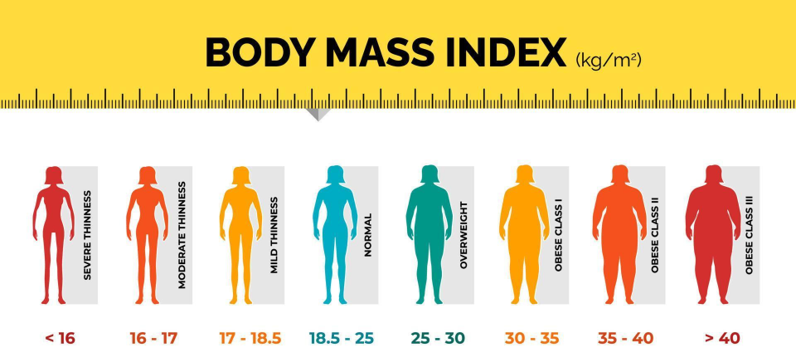
We use BMI as one input to your Type 2 risk score, but it’s only part of the picture
BMI is a simplistic way of relating your weight to your height to give an arbitary measure/estimate of your BMI status. It’s calculated as:
weight ÷ height².
The chart above shows the
typical ranges used to denote ⚖️ under-weight ⚖️ healthy-weight ⚖️ over-weight ⚖️ Obese (3 levels I to III).
Your BMI score is compared against the number ranges... so a score of 32 falls in the 30-35 range which in turn, means class I obesity and so on....
Why it’s not the full story:
It can’t tell the difference between muscle and fat
Very muscular people may have a “high” BMI but low body fat
More weight around the waist has a greater risk even at the same BMI
Age, sex and ethnicity also affect risk at a given BMI
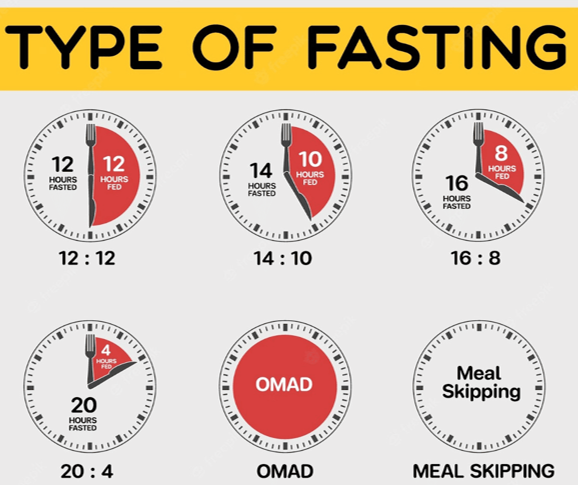
⏱️ Intermittent Fasting sounds technical but is really simple – it’s an eating
pattern that alternates between set periods of eating and not eating
⏱️ Why fasting? When you fast, the body switches from using glucose from food
to using stored fat for energy. Over time this can improve insulin sensitivity and
metabolic efficiency
⏱️ Novice or a fasting guru? If you select novice, it will include longer eating periods at the start, reducing them over time. A fasting guru does not need these longer periods to adjust to fasting, they are experienced enough not to need it. Not new to fasting simply means it's balanced somewhere between novice and guru
Autophagy sounds complicated but it simply means your body is doing a
spring-clean at the cell level. Old or damaged bits are broken down
and recycled so new, healthier parts can be built. Autophagy is boosted by more than fasting — exercise, good sleep, lower insulin, and reducing constant snacking all support fasting to help your cells switch into clean-up and repair mode
However helpful and indeed important the other factors are, fasting is generally considered the strongest and most reliable natural trigger for autophagy. It helps clean up stressed or overloaded cells in the liver, pancreas, muscles and fat tissue — the same cells involved in insulin resistance — giving your body a chance to reset and work more efficiently
Autophagy typically begins to rise after around 12–16 hours of fasting, becoming more meaningful after 18–24 hours, and more pronounced beyond 24 hours — depending on insulin levels, liver glycogen and metabolic health
Periods of fasting give your body a break from dealing with
constant food and can encourage more of this “clean-up” work in the
background
🗑️♻️ Think of it as your cells taking out the rubbish and tidying up
🤸💪 It’s part of how your body stays healthy and resilient over time
This explanation is for general education only and isn’t a medical
recommendation. Always check with a healthcare professional if
you’re unsure whether fasting is right for you
🔍 Analysing data, preparing your Type 2 Assessment. Stand by…
⏳ Still working – OCR and CGM data crunching can take a couple of minutes.
Please keep this tab open.
🏁 Final stretch – compiling your personalised report now…















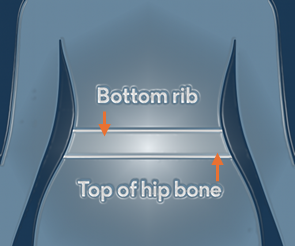
 Use a flexible tape measure (Doh!)
 Feel for your bottom rib with your fingers
 Feel for the top of your hip bone